
Cerebral Palsy
A cerebral palsy diagnosis can change your entire family and shatter the dreams you envisioned for your child. Your energy and resources may be stretched in ways you never imagined. However, with the right support, you can experience fresh hope and joy as you celebrate your child’s unique abilities and potential. The path ahead can be challenging, but you do not have to walk it alone.
Our comprehensive guide will help you understand your child’s diagnosis and access resources to maximize their potential, improve their quality of life, and prioritize your own well-being so you can provide the best possible care.
What Is Cerebral Palsy?
Cerebral palsy is a neurological condition that affects voluntary movement, muscle tone, and posture, usually as a result of abnormal brain development in the womb, birth trauma, or a traumatic brain injury during infancy. It is usually diagnosed by two years of age, and often within the first year.
Cerebral palsy is the most common cause of childhood disability. Some children only experience mild effects from cerebral palsy, while others live with profound disabilities. The exact nature and degree of disability is highly individual. The wide range of symptoms has been classified into four primary types.
Spastic Cerebral Palsy
Children with spastic cerebral palsy have too much muscle tone in some parts of their bodies, which causes stiffness and awkward movements. Over 70% of people with cerebral palsy have this type.
The excessive muscle tone, also known as spasticity, can be painful, particularly during large, fast movements, such as catching a ball. Children with spastic cerebral palsy may keep their hands in a fist constantly or walk on their tiptoes because of difficulty stretching their feet. There are three subtypes of spastic cerebral palsy, which include the following:
- Spastic diplegia: Spasticity primarily affecting the legs
- Spastic hemiplegia: Spasticity on one side of the body
- Spastic quadriplegia: Spasticity of all four limbs and the face
Dyskinetic Cerebral Palsy
Dyskinetic cerebral palsy, also known as athetoid cerebral palsy, affects 12-14% of people with cerebral palsy. It can cause involuntary movements classified as dystonia, chorea, or athetosis, as shown below.
Dystonic movements can have a profound effect on daily activities. Children with dyskinetic cerebral palsy may be underweight due to the excessive calories burned from involuntary movements.

Ataxic Cerebral Palsy
- Shakiness
- Inability to grab objects after reaching for them
- Difficulty with coordinated movements like clapping
- Poor balance
- Wide gait
- Speech difficulties
- Difficulty swallowing
- Difficulty controlling eye movements
Mixed Cerebral Palsy
Mixed cerebral palsy is a combination of two or more of the subtypes. The most common combination is spastic and dyskinetic, which results in a mixture of tight and floppy muscles.
Understanding the Diagnosis of Cerebral Palsy
Most children with cerebral palsy are diagnosed by the age of two, but many are diagnosed younger. While there is no cure for cerebral palsy, early intervention can help your child develop crucial skills and achieve greater independence by harnessing the power of the brain’s heightened plasticity during infancy and early childhood. It can also empower you as the parent to become familiar with your child’s needs, tap into resources, and plan for the future.
There is no single test for cerebral palsy. It is typically diagnosed through developmental monitoring, developmental screening, and brain imaging tests.

Developmental Monitoring
Developmental monitoring usually occurs at home when parents or caregivers make note of when a child meets developmental milestones, such as grabbing, sitting, crawling, and walking.
Developmental Screening
Developmental screening usually occurs in a doctor’s office after parents report developmental delays. The American Academy of Pediatrics recommends screening for all children during their regular well-child check-ups at 9 months, 18 months, and 24-30 months.
During the screening process, the doctor examines the child’s motor skills, muscle tone, reflexes, posture, and medical history. They may also screen for other conditions that commonly occur with cerebral palsy, such as epilepsy, intellectual disabilities, and blindness. You may also complete a questionnaire. Your pediatrician may refer you to a pediatric neurologist or other specialist if they detect signs of cerebral palsy.
Medical Tests
If cerebral palsy is suspected, a brain scan can help confirm the diagnosis by revealing abnormalities or damage to the brain. The types of testing used may include X-ray, cranial ultrasound, CT scans, MRI, and EEG. A doctor may also order bloodwork to perform metabolic or genetic testing to rule out other conditions.
Early Signs and Symptoms
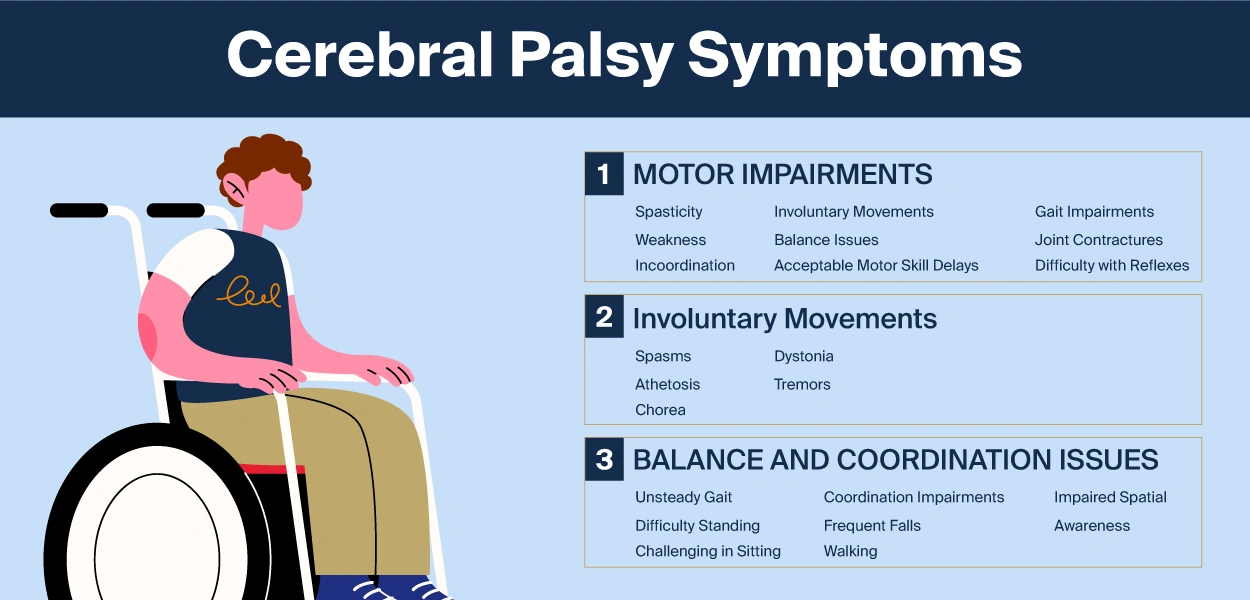
The most common early warning sign of cerebral palsy is delays in reaching milestones, such as sitting, crawling, walking, and grabbing. Other warning signs include excessive stiffness, floppiness, abnormal postures, and disproportionate use of one side of the body. Here are the most common warning signs by age:
- Inability to hold up the head
- Stiffness
- Floppiness
- Stiffening or crossing of the legs when being picked up
- Overextension of the back or neck while being held
- Tendency to pull away
- Inability to roll over
- Inability to bring hands to the mouth
- Difficulty bringing hands together
- One hand that reaches out and one kept in a fist
- Lopsided crawling: pushing on one side and dragging the other
- Scooting on buttocks or hopping on knees rather than crawling
- Inability to stand, even with support
Resources for Parents of Children with Cerebral Palsy
Children with cerebral palsy often require more medical care, educational support, and daily assistance than children without disabilities. Several organizations offer assistance and emotional support to families of children with cerebral palsy. Here are a few in Connecticut:
Education, advocacy, and support services
-
94-96 S. Turnpike Rd.
Wallingford, CT 06492 - Phone: 203-269-3511
- Email: aweaver.ucpasc@gmail.com
Education and support for people living with cerebral palsy and other disabilities
Serving Windham, New London, Middlesex, and New Haven Counties
-
42 Norwich Rd.
Quaker Hill, CT 06375 - Phone: 860-443-3800
- Email: info@ucpect.org
Empowerment and support to families of children with disabilities from birth to 26
Main Office
-
5 Shaws Cove, Suite 102
New London, CT 06320 - Phone: 860-739-3089
Medical and Therapeutic Support
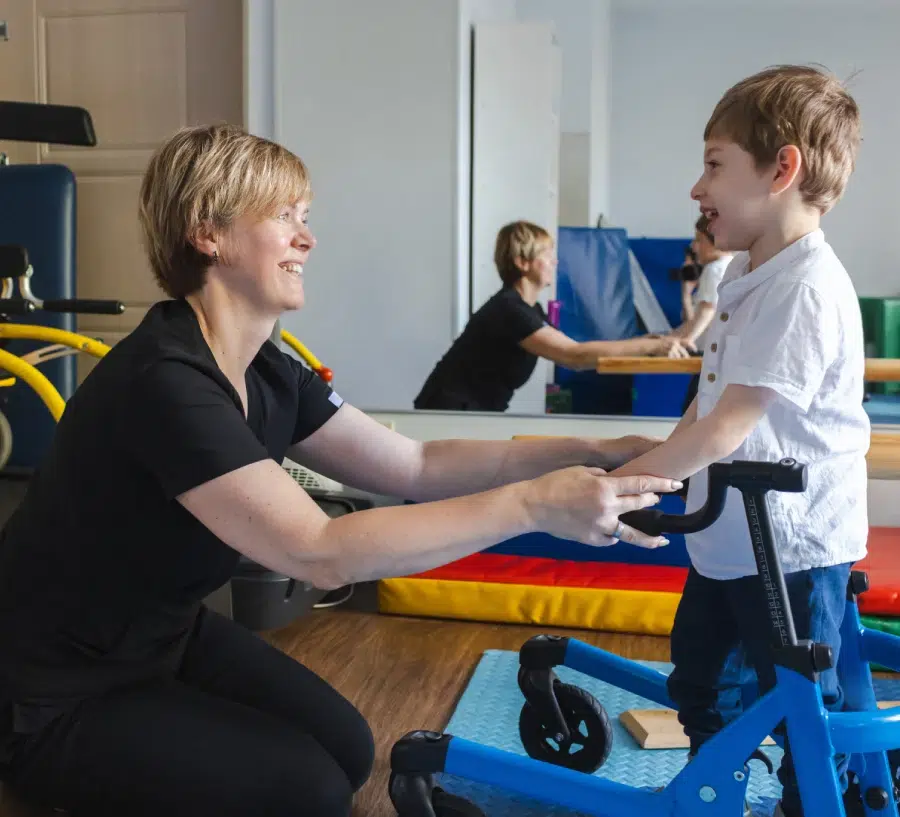
Your child’s health team should include medical professionals, therapists, educators, and social workers who can manage the full range of symptoms and functional challenges and help your child reach their highest potential. Your team may need to include the following professionals and others:
- Pediatric neurologist to manage seizures, muscle tone, and movement
- Developmental pediatrician to monitor development and coordinate care
- Orthopedic surgeon to address musculoskeletal challenges
- Physical therapist to help improve motor skills, strength, and mobility
- Occupational therapist to enhance daily living skills and independence
- Speech-language pathologist to address speech and feeding issues
- Rehabilitation specialist to oversee rehabilitation plans
- Registered dietitian to provide nutritional guidance
- Social worker to connect your family to resources and help coordinate care
Where To Find Your Team
Assembling a comprehensive team can be overwhelming, but Connecticut is home to at least two organizations that provide an integrated team under one roof:
Pediatric Specialty Center
1 Long Wharf Dr.
New Haven, CT 06511
Phone: 877-925-3637
A multidisciplinary team dedicated to enhancing quality of life and maximizing function by giving families access to research-based care and the latest treatments available
Main campus location:
282 Washington St.
Hartford, CT 06106
Main phone: 860-545-9000
35 locations throughout the state
- Comprehensive medical care
- A specialized neurosurgical team
- Education and support
- Care coordination
- Referral services
Children & Youth with Special Health Care Needs
The Connecticut Department of Public Health provides care coordination services, family support, and referrals through the Connecticut Medical Home Initiative. It encourages family involvement in the entire care process and a patient-centered model, regardless of the child’s living situation.
Educational Resources and Special Education
The Individuals with Disabilities Education Act (IDEA) protects the right of children with disabilities to receive a free public education tailored to their needs through special education, early intervention services, and transitional support later in life.
Special Education Services provide specialized instruction, assistive technology, therapy, and classroom accommodations for children with disabilities. Enrolled children are entitled to an Individualized Education Program (IEP), a legally binding document that outlines the child’s unique learning needs and the services and supports the school will provide.
The Connecticut Birth to Three System provides early educational services to children under 3 with developmental delays through Special Education Services at no cost to the parents.
The Arc Connecticut is a private nonprofit corporation that provides advocacy and support for individuals with intellectual and developmental disabilities to promote inclusiveness and help them actively participate in their communities

Financial Support and Legal Resources
The cost of managing cerebral palsy can overwhelm a family, particularly when a parent must give up employment to provide full-time care. Financial resources are available to help families manage the costs.
HUSKY Health is Connecticut’s Medicaid program. It provides comprehensive health coverage for eligible children with cerebral palsy, including doctor visits, therapies, and medical equipment. To qualify, the family must meet income and asset limits.
The Katie Beckett Waiver Program provides Medicaid coverage to people under 22 who have disabilities severe enough to qualify for institution-level care but want to remain in their homes. The program only considers the individual’s income, not the parent’s income, making it easier to qualify.
SSI is a federal program administered by the Social Security Administration that provides monthly cash assistance to financially eligible children and adults with disabilities who meet specific medical criteria. SSI can help cover food, clothing, shelter, and other basic needs.
Social Security Disability Insurance (SSDI) pays benefits to adult children with disabilities based on a parent’s work record if the parent is receiving SSDI because of a disability or retirement, or is deceased. The child can receive up to 50% of the parent’s full retirement benefit.
Legal Representation
A lawyer can provide advocacy, legal advice, and representation if your family needs assistance with any of the following:
- Disputes with a school district about your child’s accommodations
- Estate planning for your child’s long-term care
- Access to disability benefits, such as SSDI and SSI
- Referrals to helping organizations
- Accessing services available to you through public education
In addition, if you believe your child’s cerebral palsy developed because of medical errors during pregnancy, birth, or shortly after birth, a medical malpractice lawyer can help you file a lawsuit to pursue substantial compensation to cover the lifetime cost of care.
Coping Strategies for Parents
The constant weight of advocating for your child’s unique needs can cause you to feel like you are always running on empty. You may experience immense triumphs and pride, followed by grief, anxiety, and exhaustion. Studies consistently show that caring for children with cerebral palsy can lead to significant effects on mental and physical health and quality of life.
Many parents feel guilty taking time for themselves, but maintaining your own well-being helps you function as the best version of yourself, and this also benefits your child.
Establish Basic Self-Care Habits
Time is often at a premium when you care for a child with special needs, but set aside time to care for your needs also, even if you need to recruit help. Make the following a priority:
- Get enough sleep.
- Eat a healthy diet.
- Maintain a hobby you can enjoy.
- Take breaks.
- Get enough exercise.
- Attend regular medical screenings.
Practice Mindfulness
Mindfulness activities often take a minute or less, and you can do them anywhere. They can calm you during tense moments. Find mindfulness activities that work for you. Here are a few examples:
- Breathing meditation: Focus on each inhale and exhale, perhaps counting to regulate your breath.
- The five senses exercise: Pause and observe five things you can see, four you can touch, three you can hear, two you can smell, and one you can taste.
- Body scan: Close your eyes. Mentally scan your body, starting with your feet and slowly working up to the top of your head.
Mindfulness-based cognitive therapy has been shown to improve the mental health of mothers of children with cerebral palsy.
Build a Support System
Caring for a child with special needs can lead to isolation and exhaustion. Stay connected to friends, relatives, and professionals who can occasionally give you a break, listen, or offer a social outlet.
Connecting with other parents going through the same things can help you feel less alone and give you strength during challenging days. Ask your child’s health team for referrals to local support groups. Many hospitals and clinics offer them for free. You can also find support through the following organizations:
- The Connecticut Family Support Network: online and in-person support groups throughout the state.
- Path CT: The Parent-to-Parent Program is a matching service that will connect you to another parent with experience handling similar challenges who can provide support.

Long-Term Outlook and Future Considerations
With appropriate care, children with cerebral palsy can go to college, work in fulfilling careers, marry, have children, and enjoy full lives. The following treatments have been shown to improve functionality and are continually improving:
- Selective dorsal rhizotomy: Surgical removal of select nerve fibers in the spinal cord to permanently reduce muscle stiffness
- Intrathecal Baclofen therapy: An implanted pump that delivers a muscle relaxant to the spinal fluid for continuous spasticity control
- Botox injections: Injection of botulinum toxin into spastic muscles to block nerve function and reduce stiffness
- Constraint-induced movement therapy (CIMT): An advanced rehabilitation technique that restricts use of a stronger arm or leg to strengthen a weaker one
- Stem cell therapy: Experimental regenerative therapy to replace damaged brain cells in people with cerebral palsy
- Clinical Trials: Your doctor can advise you on clinical trials available to your child.
Does Cerebral Palsy Worsen with Age?
No, cerebral palsy is a non-progressive condition, so it does not worsen with age. However, the symptoms may change over time as your child’s body grows and changes. With early intervention and appropriate therapy, you may even see improvements over time.
Planning for the Future
Your child’s future potential will depend on the severity of cerebral palsy, treatment options, and responses to treatment. Some children require lifelong care because of cerebral palsy, while others can live independently, even with limitations. Here are some resources:
- Special Education Services: Your child’s IEP should include transition planning starting around age 16 to include career exploration and life skills.
- Developmental Services: If your child has co-occurring intellectual disabilities, Connecticut Developmental Services can provide transitioning assistance.
- Bureau of Rehabilitative Services (BRS): BRS provides job training and support to prepare for, find, and maintain jobs.
- Independent Living Centers: Independent Living Centers connect people with disabilities to services and teach them how to live independently.
Encouraging Independence and Self-Advocacy
While caring for a child with special needs often requires extra support, it is crucial to foster their independence and empower them to advocate for themselves as they grow. It can be hard to watch your child struggle with a problem you could easily solve for them, but allowing them to overcome obstacles builds resilience and promotes thriving during adulthood.
As your child approaches adolescence, actively seek life skills training programs and openly discuss self-advocacy techniques they could apply to their education, health care, and future employment. Encourage them to express their needs and preferences confidently while you are there to provide guidance and support. Let them participate in decision-making as appropriate. With your unwavering support, your child can cultivate the skills and confidence to navigate life on their terms, embracing their strengths and achieving their fullest potential.
Insurance and Financial Planning
The CDC estimates the lifetime cost of supporting someone with cerebral palsy can reach $921,000. A proactive plan can ease the financial burden and protect your child’s long-term interests. Strategic insurance coverage and special needs savings programs can provide a secure future for your child.
Health Insurance
Your child’s health insurance options could change after they reach adulthood, so it is important to familiarize yourself and your child with the options as adulthood approaches. The options will vary based on your child’s capabilities.
- If your child works, health insurance may be available through an employer.
- If your child cannot work, HUSKY Health may be available if they receive SSI.
- Your child may be eligible for Medicare if they receive child disability benefits.
Life and Disability Insurance
If your child relies on you for financial support, consider purchasing a life insurance policy or a disability policy that will continue to meet your child’s needs if you pass away or become disabled. Your child may also be able to receive up to half of your full SSDI retirement amount if you retire, become disabled, or pass away.
Achieving a Better Life Experience (ABLE)
Programs like SSI, SNAP benefits, affordable housing, and Medicaid normally deny benefits to people with assets higher than $2,000. This can make it hard for families to provide children with disabilities a secure future. An ABLE Account is a tax-advantaged savings and investment account for people with disabilities.
Anyone can contribute to it, and it generally does not count toward asset limits for federal programs. The program has some limits, and funds withdrawn must be used for quality disability expenses (QDE), which can include housing, education, transportation, basic living expenses, and other QDEs.
Special Needs Trusts
A special needs trust is another savings vehicle that does not affect federal benefit program eligibility. Special needs trusts are more complex to set up than ABLE accounts. Money withdrawn cannot be used for basic living expenses. It is meant to provide for extra costs to make life more comfortable, such as vacations, furniture, entertainment, and medical treatment not covered by Medicaid.
Conclusion
Caring for a child with cerebral palsy requires dedication and specialized care, but you are not alone. By embracing the many financial, medical, and emotional support systems available, you empower your child to reach their fullest potential and build a secure future filled with joy, growth, and endless possibilities.